
The entire, previously unseen video of Sandor Katz, Ann Yonetani, and Ken Fornataro and others will be played at the upcoming event on Sunday.
Koji (+/-) Bacillus, Rhizopus, Mucor
https://us06web.zoom.us/meeting/register/rzdUGXT8TP-8Uw-a-8QHOA
MAR 22, 2026 - NY: 9:00 AM | UK: 1:00 PM | INDIA: 6:30 PM. With Kirsten K. Shockey, Melissa Hoffman, Ken Fornataro, Anthony DELFAU, James Vergara, and Caspar Hall of zizinia, and a few more amzing guests.
The focus is on making and using molds such as Aspergillus (koji), with other molds, bacteria or yeasts. We’ll focus on using Bacillus based ferments, a bacteria that creates amazing flavors in natto, thua nao, and other regional ferments alone, or when combined with koji on soy or no soy legumes and seeds. And, what happens when you make, or mix what are called alkaline ferments from around the world with others ferments, or further treat them to make foods and condiments asis done with thua nao. We’ll also discuss making vinegars with koji, (or not), plus any basic questions you have about anything in general, troubleshooting, etc. related to qu, Rhizopus, koji, or other mold based cultures.
CulturesGroup is a multi-media event. To read posts, watch videos, and attend events like the ones listed above, become a paid subscriber. $5 USD Monthly.
CulturesGroup - https://culturesgroup.substack.com/subscribe
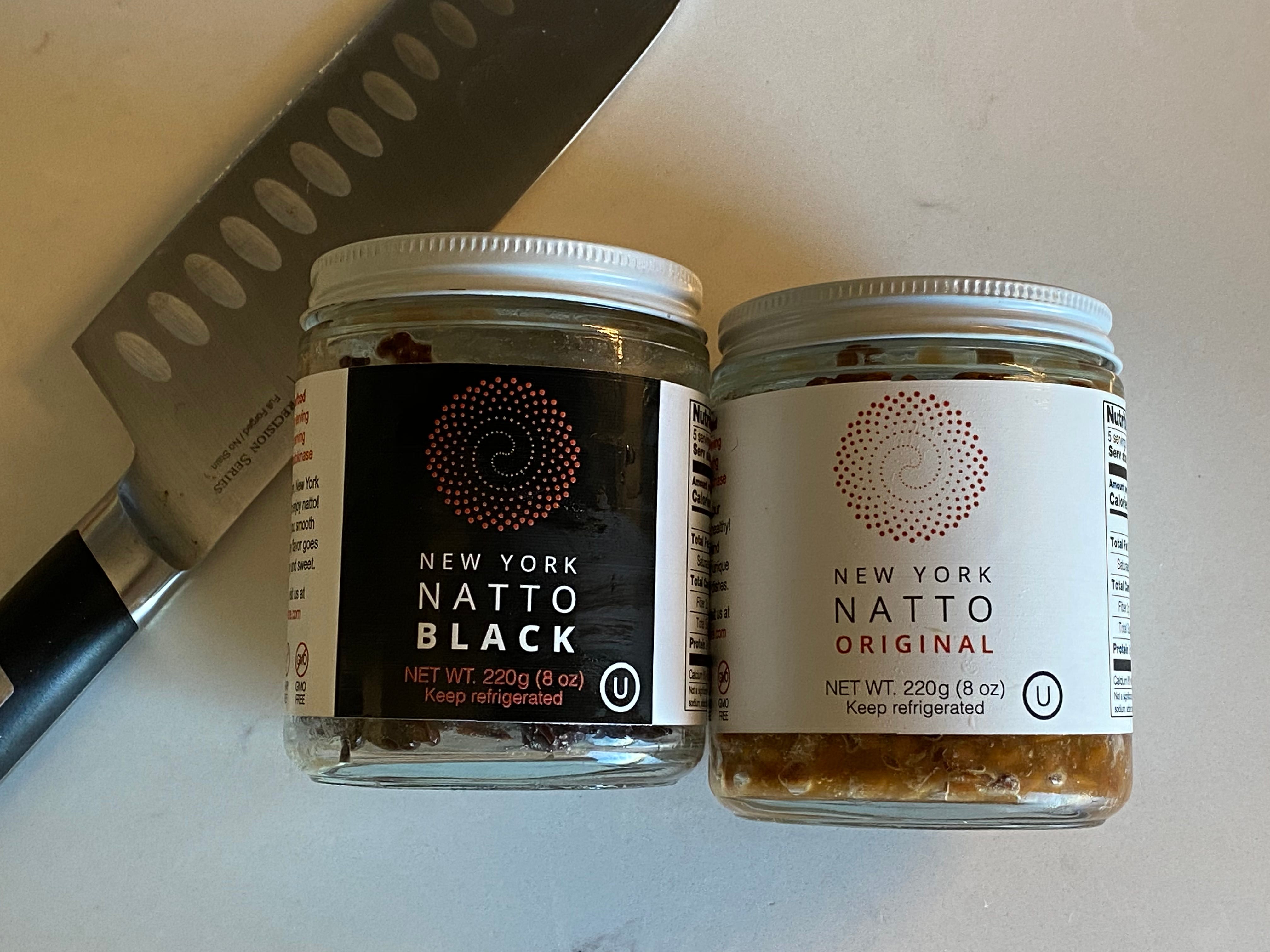
And I wanna just add that not, it’s not just that these beans are small, but the beans that are, that really make the best natto are soybeans that are of specific breeds, heritage breeds that really are, are, have been selected for doing nothing else, but for making natto. So not only is the size different from a typical soybean, but there are many other genetic traits that, that differ in these lines. You know flavor, flavor producing molecules, as well as the sort of macronutrient levels, the protein versus carbohydrate levels. Many different characteristics of the soybean have been selected to be optimized for making delicious natto. Dr. Ann Yonetani of NYRture.
My initial impression the first time I had natto was, this is disgusting. Why would I ever want to eat this? And it was really only because a series of people who I really respected, told me that they felt that natto not being included in my first book, wild Fermentation, was, uh, was a glaring omission. And then the person who really got me to give natto another taste is a woman named Betty Stechmeyer, who actually was very instrumental in my early fermentation journeys.
And Betty is the founder of the company that’s called Gem Cultures, that’s now run by her daughter. And Betty for decades has been importing nattomoto from Japan and selling it in the US. But, well, I mean, Betty’s husband actually died of heart problems shortly after I got to know her. But she was always trying to get him to eat natto, because it can have, such benefits, particularly with people with heart and circulatory problems. Sandor Katz WildFermentation.com