
Spent Grain Peated Shio Koji
Not Good Amasake and Salty Peated Shio Koji

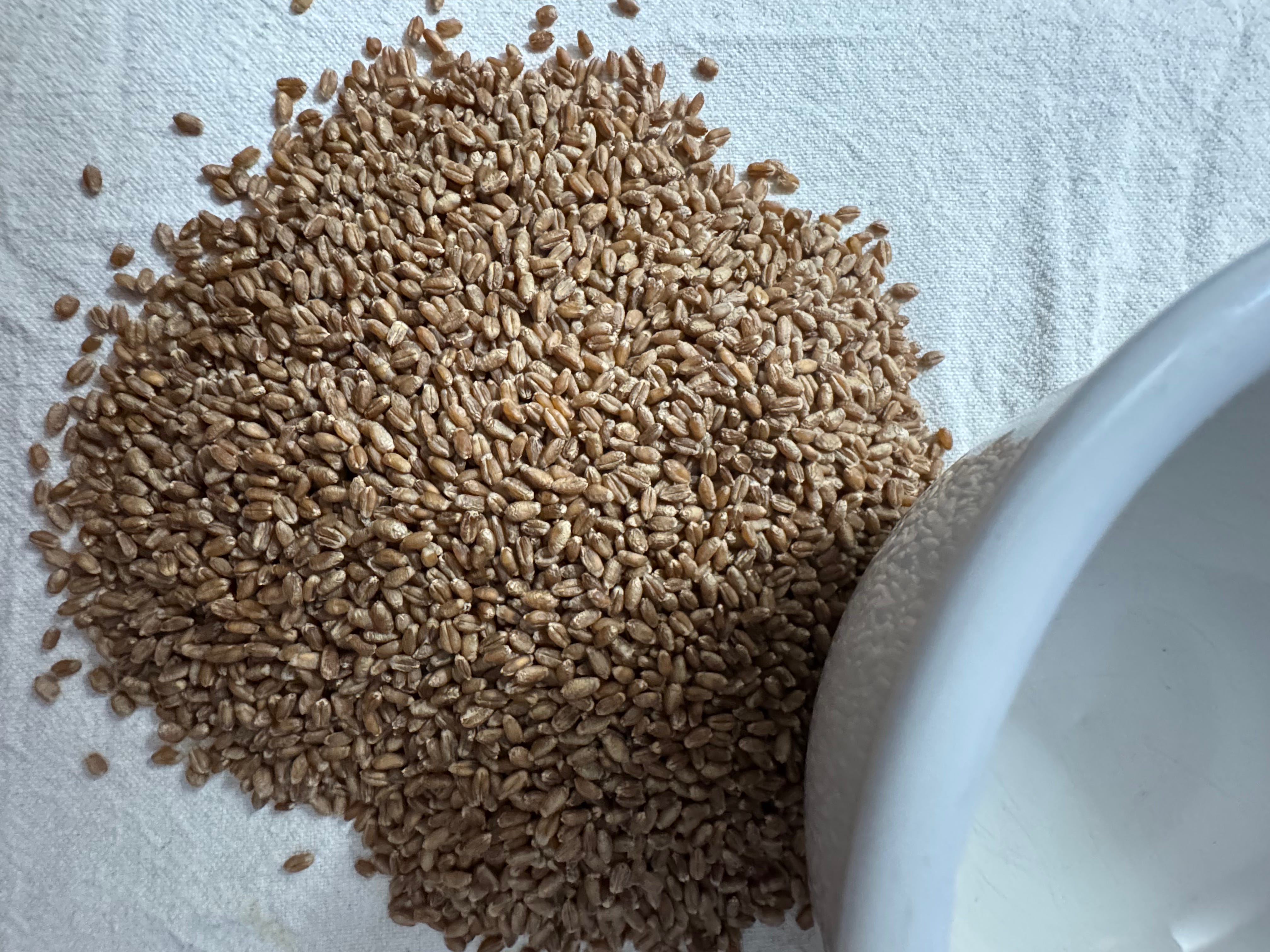
Spent Grain Peated Shio Koji
Spent grain is the solid material left after grain has been mashed during brewing or distilling, most commonly in beer or whiskey production. In all cases, a mash is designed to extract sugars into liquid, leaving the grain largely depleted.
Koji +/-
https://us06web.zoom.us/meeting/register/rzdUGXT8TP-8Uw-a-8QHOA
MAR 22, 2026 - NY: 9:00 AM | UK: 1:00 PM | INDIA: 6:30 PM
With Kirsten K. Shockey, Melissa Hoffman, Ken Fornataro, and Caspar Hall of zizinia,
This event centers around making, and using molds that typically contain Aspergillus species. Almost every Asian country has their own culture such as qu, nuruk, bubod, chuzo, jui paing, phabs, marcha, loog-pang, banh men, koji, and ragi. The original 麹, or Qu contained molds, bacteria and yeasts. The Japanese used the same kanji, or letter of the Chinese alphabet 麹, but isolated out just the Aspergillus microbes from these starters. They call it koji. Japanese koji is typically a mono-culture, or only Aspergillus, but once it is grown on a substrate bacteria and yeasts and possibly even other molds are involved.
We’ll focus on using B.subtilis, the bacteria that creates flavor and functionality in the Japanese food called natto, by itself or when combined with the monoculture called koji. We’ll also demonstrate using the B subtilis bacteria on soy and non soy systems to maximize MK-7. Vitamin K2 (MK-7) is what you really want from Bacillus subtilis ferments, with the PGA or goopy stuff called neba neba just an enzyme. Not all B.subtilis based ferments taste the same, nor do they function the same way in the body because of varying amounts of MK-7.
We’ll also address what happens when you make other alkaline ferments or use ash or nixtamalize ingredients, including corn.
We’ll also discuss making vinegars with koji, or not, and how that works. Also, mixing koji with Rhizopus strains to make tempeh from beans, nuts, grains, etc. in order to make cakes and breads, syrups, and beverages. Plus any basic questions you have about anything in general, troubleshooting, etc.
Tempeh: The Other White Mold. Rhizopus the Great!
https://us06web.zoom.us/meeting/register/zt1KfX2PS-CHH63fdeZRUQ
April 12, 2026 - NY: 8:00 AM | UK: 1:00 PM | INDIA: 6:30 PM
Spice, Cheese, Bilād al-shām
https://us06web.zoom.us/meeting/register/YX4aU7J-RkKGR18tebJfug
MAY 16, 2026 - NY: 11:00 PM | UK: 4:00 AM (MAY 17) | INDIA: 8:30 AM (MAY 17)
Milho/Maize (Português e Inglês / Portuguese and English)
https://us06web.zoom.us/meeting/register/NJYDLaOkSYqaF-c577Lm9g
Sept 11 NY: 2:00 PM | UK:7:00 PM
Asian Cultures and Ferments
https://us06web.zoom.us/meeting/register/sdaQgMFOS9aOcYK6OUSbsg
OCT 25, 2026 - NY: 9:00 AM | UK: 1:00 PM | INDIA: 6:30 PM
AltStarch / AltSugar / AltGrain
https://us06web.zoom.us/meeting/register/f6WOj4_YRB-qoDEGtGfsCQ DEC 13, 2026 - NY: 7:00 AM | UK: 12:00 PM | INDIA: 5:30 PM